
Healthy Trees, Expert Care
Tree Pruning & Trimming in Western Vermont
Our Certifications



Great Trees Come from Consistent, Intentional Pruning
A properly pruned tree appears effortless, with a balanced canopy, tidy structure, and light filtering through all the right places. That look didn’t happen by accident. It stems from the decisions made one cut at a time, by someone who knows how the tree grows, how it will respond, and what it will look like years down the line.
At Limbwalker, pruning is where experience shows up in the details. Our ISA Certified Arborists don’t follow a template or chase a uniform look. We read each tree in the context of its species, age, and setting—making deliberate cuts that improve structure, reduce storm risk, and preserve the character of the landscape it belongs to.
25+ Years of Experience
Our Tree Pruning Services
Pruning is not a singular service; it’s a set of techniques chosen to match the goal and vision you have for your property. Here is what we offer across Addison, Chittenden, Franklin, and Grand Isle counties.
Structural Pruning
Structural pruning guides a tree’s long-term architecture. It encourages strong branch unions, a dominant central leader where appropriate, and balanced weight distribution. It is most valuable on young and early-mature trees, where small cuts made today can prevent major issues decades down the line. This is some of the most important work we do, and it is the clearest expression of our philosophy of shaping great trees over time.
Crown Thinning
Thinning involves the targeted removal of crossing, rubbing, weak, or redundant branches to reduce the density of the canopy and improve air circulation and light penetration. It’s done with restraint, as even light thinning can make a big impact on trees.
Aesthetic Pruning
Aesthetic pruning is a work of art. At first, the canopy can look chaotic, with too many branches competing for attention. Thoughtful pruning simplifies that growth, creating clean lines and better spacing. The result is a tree that looks more balanced, intentional, and true to its natural form.
Crown Raising
Crown raising, or “elevation pruning,” focuses on removing lower branches to increase clearance over lawns, walkways, driveways, or rooflines—improving access and visibility without changing the overall shape of the tree.
Crown Reduction Pruning
Crown reduction pruning is used when a tree needs to be scaled back without losing its natural form. Instead of harsh cuts, branches are selectively shortened to maintain structure and balance—not topped or overcut.
Ornamental & Fruit Tree Pruning
Japanese and Korean maples, flowering crabapple, serviceberry, magnolia, and backyard fruit trees need a different approach than large shade trees. We prune these by hand—usually with nips, hand saws, and orchard ladders—to maintain their form and keep them productive.
Deadwood & Hazard Pruning
Dead, broken, and hanging branches are removed to lower risk and restore the tree’s energy to living wood. This is the one type of pruning we do any time of year, including mid-summer, when most other pruning should wait. If a branch is a threat to your house, driveway, or the walkway beneath it, we can promptly address it.
What to Expect When You Hire Limbwalker
Our Tree Pruning Process
Our team abides by all industry standards to ensure we do what’s best for your trees. Our process looks like this:
Goal Conversation
Every job starts with a conversation about what you want for the tree. Safer? Healthier? Smaller? Prettier to look at? Longer life? A Certified Arborist will listen to your goals, clarify your options, and help you understand what the service involves.
Site Assessment
We walk the property, assess the tree’s age, health, species, and structure, and identify any factors specific to the site, such as power lines, nearby structures, shoreline regulations, and access constraints.
Written Estimate
Upon assessing the project’s scope, Limbwalker provides a clear, written estimate outlining the proposed work and exact cost. Our pricing is transparent. You’ll receive accurate, upfront costs based only on the needed work. No hidden fees, no fine print.
Expert Pruning
Our team follows the plan that was agreed upon, making each cut purposefully and in accordance with ANSI A300 pruning standards and ISA best practices. We ensure our tools are sharp, so we can make clean cuts every time.
Cleanup & Walk-Through
Debris less than 12 inches in diameter is chipped on-site. Larger wood is cut to the length of firewood and left for you or hauled away, depending on your preference. We work to clean up your yard so the only thing that looks different is your tree. If we miss something, let us know, and we will take care of it.
Let Limbwalker Handle Your Pruning
Inadequate pruning can leave a tree damaged and vulnerable to attacks from disease and insects. Topping and over-thinning are common, detrimental mistakes that can ultimately be permanent. When you want to ensure your tree gets the best pruning available, trust the ISA Certified Arborists at Limbwalker Tree Service.
When Is the Best Time to Have Your Trees Pruned?
Pruning can be done at different times of the year, but every season has a different purpose. In Vermont, some seasons carry real risks if you prune the wrong tree at the wrong time.
Winter
Optimal for major pruning. Trees are dormant and leafless, so it’s easier to see their structure and make clean cuts. This is the ideal window for most structural and aesthetic work on shade trees.
Spring
The best time to prune most flowering trees. We wait until just after they bloom so we don’t remove the buds that produce this season’s flowers.
Summer
Typically limited to hazard pruning, which is the removal of dead branches and broken limbs while reducing wind sail on trees that need it.
Fall
Great for light pruning and pre-winter risk assessments. Removing dead or damaged branches before winter decreases the chance of failure under loads of snow and ice.
We will recommend the right timing for your specific tree as part of the consultation.

Know When to Act
What Are Signs It’s Time to Prune a Tree?
There are numerous reasons to prune. Some of the things to keep an eye out for so you know it could be time to prune include:
Experience You Can See
Why Choose Limbwalker for Tree Pruning?
Many companies offer tree pruning in western Vermont. Few combine the care, craft, and certifications that we do. Some of the reasons our customers choose us include:

ISA Certified Arborists on Every Job
Every pruning job is led by an ISA-certified arborist who knows how trees respond to cuts and which cuts to avoid. This is specialized work that calls for training, experience, and good judgment.
More Than 25 Years in the Champlain Valley
Limbwalker has been serving western Vermont since 1999. Over those years, we have gained extensive experience with every local species, from sugar maples to the ornamentals that live on many Vermont properties.
A Thoughtful, Educational Approach
We prune what needs pruning and leave the rest be. If we think a tree needs less (or sometimes more) work than originally expected, we will tell you why, show you what we see, and let you make the final decision.

Safety-First Mindset
Safety is more than a policy; it’s a part of our culture. Before every job, our crew is reminded to work with caution, care, and awareness. We use modern climbing and rigging equipment, industry best practices, and well-maintained tools to protect both our team and your property.
Expert Tree Pruning Made Easy
When you want the best pruning possible for your trees, the choice is Limbwalker Tree Service. Our team can handle all your pruning needs across western Vermont.
Serving Western Vermont's Champlain Valley
Need Tree Pruning in Western Vermont?
At Limbwalker Tree Service, our team takes great pride in providing expert tree pruning to homeowners throughout western Vermont. Check out our service area page to see if we serve your town or reach out to us to see if we can help your trees.
Don’t See Your Town?
We likely cover it. Call us at (802) 989-9343 or request a free consultation—we’ll let you know right away.
Frequently Asked Questions About Tree Pruning
When we talk to customers about pruning, they usually have a lot of questions about the service and the reasoning for doing it. To help you get a better understanding, we answered some of the most frequently asked ones.
Helpful Tree Pruning Articles & More
Want to learn more about tree pruning and our reasons for doing it? Check out our tree care blog that covers seasonal timing, species-specific guidance, and the reasoning behind the cuts we make.

What Tree Pests and Diseases You Should Watch for in Vermont
A guide to tree pests and diseases in Vermont that homeowners should watch for and what to do next if you suspect your tree is at risk of decline.
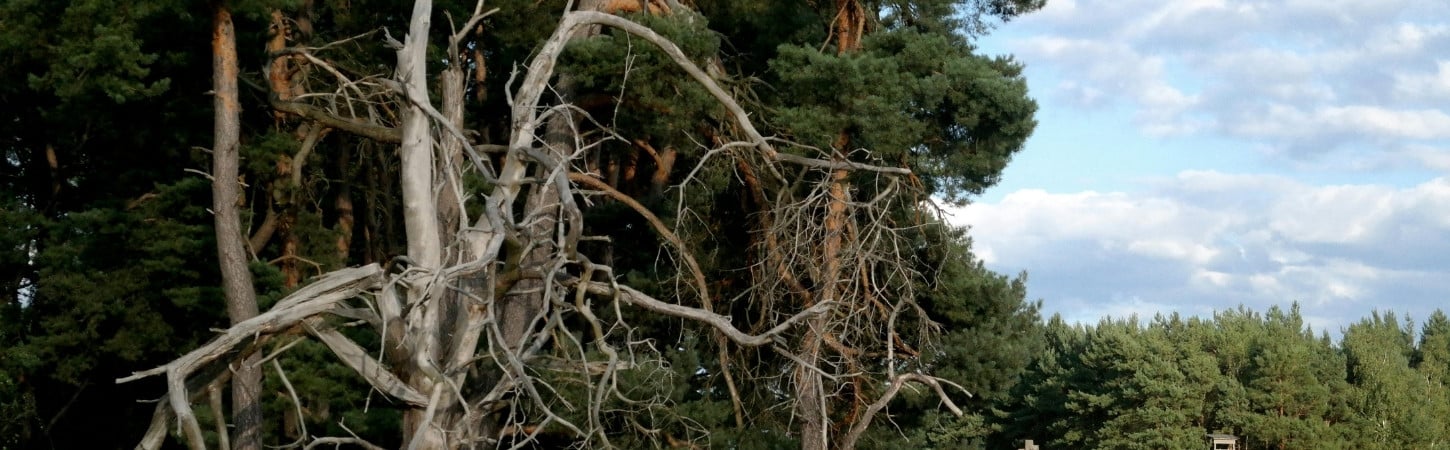
How to Identify Hazardous Trees in Vermont
Worried about a tree on your property? Learn the warning signs of hazardous trees in Vermont and when professional evaluation or removal may be needed.

Best Flowering Trees to Plant in the Champlain Valley
A helpful guide to discover the best flowering trees in Vermont, including the best species for the Champlain Valley, when to plant, and first-year care tips.

Get Precise Pruning for Your Great Trees from Limbwalker Tree Service
If it looks like your trees need work, our team at Limbwalker Tree Service can help. Great trees aren’t accidental. They happen because someone kept making good decisions over time. If yours need attention, we’re here and ready to help.
