


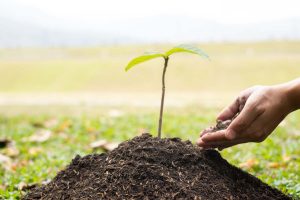
Making fruit trees part of a home’s landscaping has gained popularity over the past few years, as more people recognize the aesthetic and practical benefits many varieties of these trees provide. For Vermont residents, our weather can make planting and growing fruit trees challenging, but knowing when to plant and understanding more about your growing zone can help ensure trees take root and flourish.
Timing is Key – Watch for Frost
The planting season in Vermont is relatively short compared to many other areas of the country. Generally, the frost-free period here runs from around mid-May until about the first week of October. However, this timeframe can differ in different regions of the state, so consult the Almanac website to get a better idea of the frost dates for your area. Even close areas such as Shelburne and Middlebury, VT may differ slightly in their usual frost dates, especially with nearby Lake Champlain influencing our weather.
Determining when the best time is to plant fruit trees in Vermont depends on where exactly you are located and when frost usually occurs. By avoiding frost, it gives the root systems enough time to grow before the harsh winter. Planting further into the fall season is riskier, because the trees won’t have as much time to establish their roots to brace against the winter weather.
Know Your Growing Zone
Understanding the importance of growing zones will help you recognize which trees will prosper in your region of the state. Vermont has many growing zones, ranging from 3b to 5b, and the simplest way to look at it is that temperatures get colder the further north or higher in elevation you go. For example, certain fruit trees will do well in the 5-8 growing zones, but lower average temperatures in zone 3B will hurt the tree.
A good reference is the USDA Plant Hardiness Map. This resource illustrates the growing zones across Vermont, and you can check your address by searching your zip code. The map highlights low temperatures in the zones that range from -10°F all the way down to -35°F. It also provides key information you need to know about the hardiness of any fruit tree you’re considering planting. The USDA website also provides great resources for homeowners on topics related to plants and all types of trees.
Choose the Right Variety of Fruit Tree
Plenty of different fruit trees grow well in Vermont despite cold winter temperatures. You’ll find orchards throughout the state, and many homeowners have cultivated and maintained their own fruit trees with relatively little maintenance.
But picking suitable trees also means you need to review specific characteristics and other requirements including:
- Pollination: Some fruit trees require a second tree within 500 feet for pollination or rely on wild pollinators such as butterflies and bees or even flies and beetles.
- Rootstock: The root system of the tree and soil can be a critical factor in your choice.
- Chill hours: Look at the number of hours your region is under 45°F. Many varieties of fruit trees need a specific number of chill hours each winter to regulate their growth.
- Disease resistance: Some trees are much more tolerant to diseases such as blight and powdery mildew that impact Vermont trees.
Limbwalker Can Help You Determine When to Plant Fruit Trees
At Limbwalker, we have recommended apple, pear, peach, plum, mulberry, and cherry trees- and seen them all do well in Vermont. If you’re considering adding trees to your residential or commercial landscaping, the certified arborists at Limbwalker know which species are ideal for your site conditions, soil, aesthetic requirements, and other environmental conditions. We can work with you to create a custom planting plan that meets your budget and planting purpose. The professionals at Limbwalker make it easy to plant and enjoy fruit trees in areas like Colchester, Williston, Hinesburg, Weybridge or Cornwall, VT and beyond.
Contact us today to learn more about how our team can make fruit trees a vibrant and sustainable part of your landscaping. Knowing when is the best time to plant fruit trees in Vermont is challenging, but our professionals have the insight you need.