


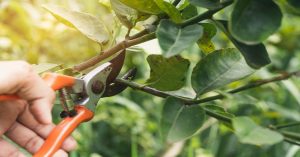
Pruning trees promotes better growth, improves structure, and ultimately benefits overall health of trees when done correctly. Pruning is even more critical for fruit trees, not only because it enhances their vigor but because it impacts the quality and yield of the fruit.
However, determining when and how to prune fruit trees can be challenging. Pruning fruit trees isn’t a job you want to jump into without some research and guidance. At Limbwalker, our arborists are experts at pruning all types of Vermont fruit trees, and we’ve seen plenty of situations where DIY tree pruning projects have gone wrong. Most stem from timing and technique mistakes, so here are a few tips to help you avoid common pitfalls.
Why Prune Your Fruit Trees?
Just like all other trees, pruning your fruit trees keeps a tree healthy by removing dead, diseased, or damaged branches, eliminating future problems. Proper pruning improves air circulation, reduces pests and diseases, minimizes breakage, and makes tree maintenance as well as fruit collection easier because it controls height and shape without having a major impact on the tree. Pruning also improves the harvest because it allows more sunlight to reach budding fruit.
When to Prune Fruit Trees
Most fruit trees found in Vermont should be pruned in early spring when they wake from their winter dormancy. This is known as the “silver tip” state as buds take on a silvery gray color. During this period of spring, you should prune your apple or pear trees before the tips turn green to avoid diseases such as fireblight. It’s important to wait to prune cherry, peach, and plum trees until just before they bloom to keep them healthy.
You need to proactively prune dead, diseased, or damaged wood on your fruit trees year-round to prevent further damage to the tree. As for fall and winter, any other types of pruning during colder weather should be avoided to ensure you don’t negatively impact new growth. Excessive winter pruning can reduce a tree’s ability to withstand temperature fluctuations and lead to frost cracks- splits that form in a tree’s trunk or major limbs caused by rapid temperature changes
How to Prune Your Fruit Trees
Do your research on your species of fruit tree before getting the tools out. It’s important to learn how to properly prune suckers and whorls. Understand where the tree produces fruit and make sure to account for that. You should also know which branches should be pruned and how to thin out the buds so branches don’t bear too much weight from the fruit. Because each cut can potentially impact the growth of or damage a tree, make sure no branches are removed without a good reason.
Once you’ve done your homework and got your tools out, make sure to clean them up with soap and water to minimize the risk of the tree getting a disease from another tree you’ve worked on. You’ll need sharp hand pruners for smaller branches and twigs, loppers for ones that are a little larger, and a saw for the big branches.
Pruning your fruit trees is all about balance: for every branch you remove, you’re benefiting the health of the tree, but you’re also cutting away potential fruit. One thing to absolutely avoid is over pruning because once a branch is gone, there’s no turning back. This can be extremely detrimental because without enough leaves, a tree can’t get enough sunlight to survive.
Want to Skip Pruning Your Fruit Tree Yourself?
At Limbwalker, our team understands the complexities involved in pruning and maintaining fruit trees. It’s a skill you get better at as you gain experience, but sometimes, it’s best to let the professionals handle it. Especially with mature trees, the job may require climbing, special equipment, and cutting large limbs. Our experienced arborists can provide a variety of services to perform the job safely and can come up with a plan to prune and maintain your trees. We have pruned fruit trees from South Hero to Stowe, Montpelier to Middlebury, Williston to Warren. If your fruit trees need some love, our arborists are ready to help. Contact us today to learn more about our services and how we can help your fruit trees thrive.