


Planting fruit trees in Vermont can be incredibly rewarding, but only if you choose varieties that can withstand our unique weather patterns. With over 25 years of tree service experience in the Burlington area, our certified arborists have seen firsthand which fruit trees do well and which ones property owners have challenges with and end up having removed. Whether you’re hoping to enjoy fresh apples from your backyard or experiment with a cold-hardy pear, selecting the right tree is the first step toward long-term success.
Understanding Vermont’s Climate
It will come as no surprise that Vermont’s climate can make growing some fruit trees impossible. However, knowing a little bit more about our climate can help you choose a tree that can thrive. Between our cold winters with temperatures that drop down to -30°F, short growing seasons, and unpredictable spring frosts, selecting cold-hardy and disease-resistant fruit tree varieties is key.
Before planting, we recommend checking your local growing zone using the USDA Plant Hardiness Map, which provides helpful data based on your ZIP code. Vermont falls within USDA Hardiness Zones 3 to 5, with areas like Burlington and the Champlain Valley typically sitting in Zone 4b to 5a. Once you know your growing zone, you can find more information about whether a specific type of tree traditionally performs well. Property owners throughout the Burlington area can also schedule a free consultation with Limbwalker Tree Service to come up with a more personalized tree planting plan.
Top Five Fruit Trees That Grow Well in Vermont
Apple Trees
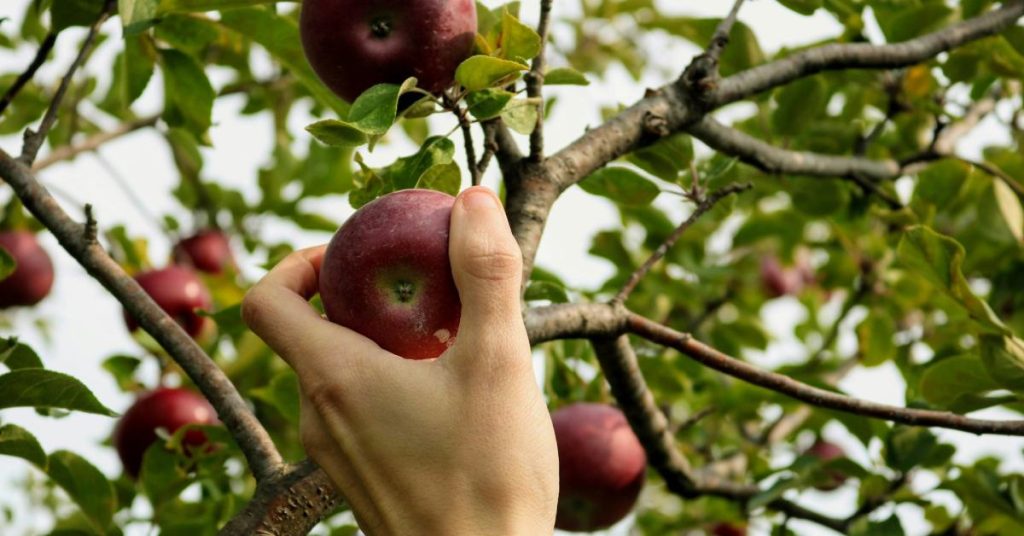
Apple trees are often considered the most dependable fruit trees for our region. They have been planted here since the 1750’s, and have always been desired for cider, jam, pies, or the crunchy, sweet apple by itself. Walking through the woods you may stumble upon what looks like an apple tree, surrounded by forest. This is likely a relic of a previous time, when people lived nearby and the current forest was a field or yard.
There are literally thousands of varieties, with heirloom varieties over 150 years old, and newer introductions discovered in the last 10 years. Apple trees have a tremendous amount of genetic variation, and planting seeds from one species will almost always result in a new variety, with differences in size, color, and taste. For this reason, most commercially available apple trees are cultivars—cuttings of branches from a known tree, grafted onto apple (or crabapple root stock).
They handle tough winters and can remain productive for decades with proper care. Families, visitors, and property owners love the convenience of picking a fresh apple and the beautiful spring blossoms. Even animals appreciate the fruit, with birds, deer, bear and porcupine helping themselves when they can.
However, it can take 2-5 years after planting for apples to appear, and a second tree of a different variety is usually needed for pollination. They grow and produce best when planted in full sun. Additionally, we have found that property owners sometimes choose to have apple trees removed when the upkeep becomes challenging. Regular maintenance is needed to clean up fallen apples, as they often attract wasps as they rot. Diseases such as leaf spot, and apple scab are common but mostly cosmetic, while others like fireblight can be much more destructive. Fortunately, the wide genetic variation has enabled cultivation of several trees resistant to these diseases.
Pear Trees
Pear trees take a little more effort but can reward you with a delicious crop. They require well-drained soil and some protection from fire blight, a common issue in humid summers. Good pruning and proper spacing are also ideal if you want your tree to thrive. Similar to apple trees, pear trees have beautiful blossoms in the spring. They can also live 50-100 years. The downside is a second tree is often needed for pollination and fallen pears may need to be removed.
Cherry Trees
Cherry trees are a bit of a gamble here, especially sweet varieties, which are more susceptible to frost. However, sour cherries are a strong option for Vermont growers. It’s helpful to plant them in full sun and protect the blossoms from spring frost as best you can.
The main con with cherry trees is that birds often will eat the cherries before you can harvest them—not a problem if you’re trying to attract wildlife! Likewise, they have a short harvest window and can rot when seasons are too rainy. Cherries can also stain concrete and other surfaces, so property owners may want to avoid planting them in certain locations. Similar to apple and pear trees, having two trees is ideal for pollination.
Plum Trees
Many property owners don’t realize how well certain plum trees can do in Vermont. Just remember that most require a second tree for pollination. Regular tree pruning is also essential for plum trees, as it helps reduce the risk of the tree becoming diseased.
Mulberry Trees
Mulberry trees divide into two major groups, red mulberry and white mulberry. Red mulberry is a north american native, while the white mulberry is famous as a desired food source of silk worms. The silk worms did not thrive here, but the mulberries did quite well. Both produce edible berries, with the red generally considered the sweeter of the two. The biggest challenge is to get them before the birds and squirrels do.
Let Us Help You Plan & Plant
At Limbwalker, our ISA Certified Arborists have helped homeowners and landowners throughout Vermont select and care for fruit trees that flourish. From soil evaluation to planting the tree for you, we understand how to work with Vermont’s unique landscape.
We’ve planted and pruned fruit trees across towns like Colchester, Williston, Weybridge, and beyond, and we’d be happy to help you, too.
Ready to Add Fruit Trees to Your Landscape?
If you’re considering planting fruit trees in Vermont, you’re making a long-term investment that pays off in flavor, beauty, and value. Contact Limbwalker today to schedule a consultation. We’ll help you choose varieties that fit your property, care routine, and local climate, so your trees can thrive for decades to come.